Dr. Asif Mehraj is a highly accomplished Consultant Colorectal Surgeon currently practicing at Apollo Hospitals, Jubilee Hills, Hyderabad. With an MBBS, MS in General Surgery, and advanced fellowships including a Postdoctoral Fellowship in Colorectal Surgery from SKIMS and international training in laparoscopic colorectal surgery from the UK and China, Dr. Mehraj brings over 15 years of experience in surgical care. He is a Fellow of the Association of Colon and Rectal Surgeons of India (FACRSI) and serves as Joint Editor of the Indian Journal of Colorectal Surgery. In addition to his clinical expertise, he is recognized as a Certified Doctor Innovator with TAMP Digital Surgery, USA, contributing to advancements in digital health. He has held teaching and leadership roles at prestigious institutions and has over 50 high-impact peer-reviewed publications, including collaborative studies in The Lancet, British Journal of Surgery, and Colorectal Disease. His expertise spans complex colorectal cancer, fistula management, and laparoscopic procedures, and he has played a key role in organizing national and international academic events. Dr. Mehraj is also a member of global surgical collaborations and has been instrumental in multicentric research, making him a leading figure in modern colorectal surgery in India.

- Call Us: 9622457533
- Email Us: asifdr80@yahoo.co.in
Comprehensive Care for Anorectal Disorders
Advanced treatments for fistula, piles, fissures, and pilonidal sinus
.png)
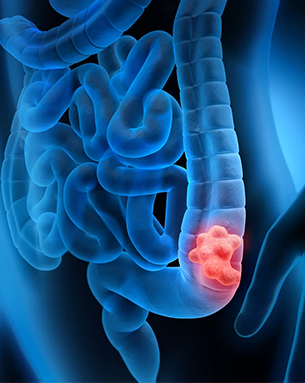
Comprehensive Colorectal Cancer Management
Advanced Minimally Invasive Surgeries and multidisciplinary treatment options

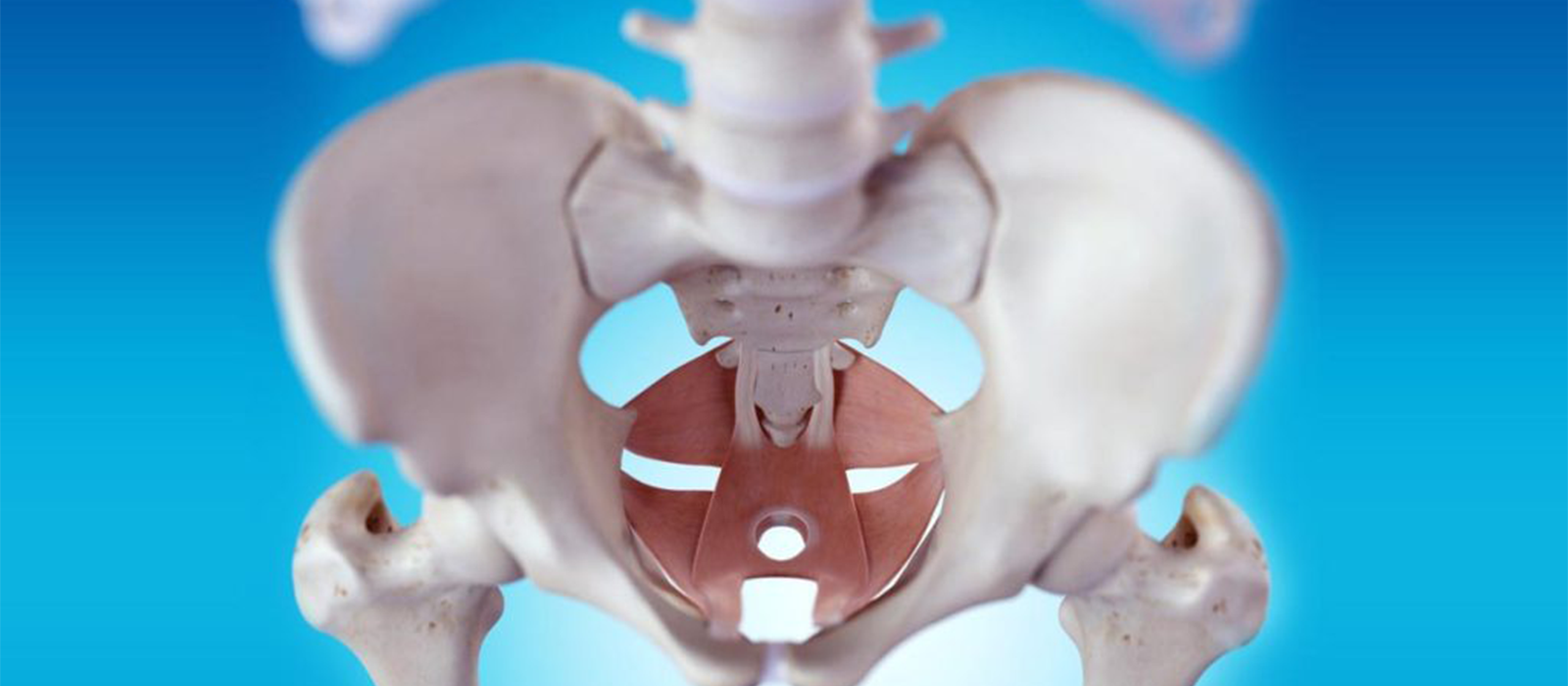
Expert Care for Pelvic Floor Disorders including Constipation, Fecal Incontinence and Rectal Prolapse
Latest management options like Sacral Nerve Stimulation , Biofeedback Therapy and Pelvic Floor Rehabilitation
.png)
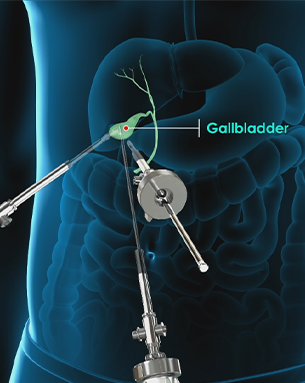
Laparoscopic Procedures
Lap. Cholecystectomy, Appendectomy, and other minimally invasive procedures

All Emergency and Trauma Services
24 hrs- Round the clock Surgical Services Available
.png)

.png)
.png)

Dr. Asif Mehraj
About Us
Expert Colorectal and General Surgeon Dr. Asif Mehraj in Hyderabad
Dr. Asif Mehraj is a distinguished and compassionate colorectal surgeon, renowned for his clinical precision, patient-centered care, and mastery over a wide range of complex surgical conditions. With a profound commitment to excellence, Dr. Mehraj brings years of experience in treating anorectal disorders such as fistula in ano, piles, fissures, pilonidal sinus, and rectal prolapse—delivering outcomes that blend modern surgical finesse with holistic recovery.
He holds particular expertise in addressing sensitive and challenging conditions such as rectovaginal fistulas, fecal incontinence, and sphincter repair, employing both advanced minimally invasive and conventional techniques to restore function and dignity. His refined skills extend to managing colorectal cancers, gallbladder diseases, and appendiceal emergencies, where his precision and surgical acumen offer patients renewed health with minimized pain and quicker return to normalcy.
Dr. Mehraj is especially sought after for his calm demeanor during high-stakes emergency surgeries, his thoughtful pre-operative assessments, and his meticulous post-operative care. Beyond the operating room, he remains a steadfast advocate for ethical, evidence-based medicine and patient education. With an unwavering dedication to surgical innovation and compassionate healing, Dr. Asif Mehraj delivers world-class care with integrity and empathy.
14+
years of experience
2K+
Cases Handled for Fistula in Ano
1K+
Laparoscopic Colorectal Cancers
Our Specialization


Minimal Access Surgery

Minimal Invasive Proctology
Our Healthcare Services


Dr. Asif Mehraj
About Doctor
.png)
- MBBS, MS (Gen Surgery), FACRSI, FCRS (Colorectal Surgery) Fellowship in Advanced Colorectal Surgery ( UK)
- 14.0 Years Of Experience
- Licence No. TSMC 30893
- Call
- Video Call
- In person
Testimonials
What our Patients says about us
I recently underwent Haemorrhoids surgery performed by Dr. Asif Miraj and I am extremely satisfied with the entire experience from the initial consultation to post operative care. He is very humble, polite and generous as well. My recovery has been better than I expected. I thank the doctor from the bottom of my Heart.

Ashok Koka
Excellent Surgical Experience with Dr. Asif Mehraj I recently underwent surgery performed by Dr. Asif Mehraj, and I am extremely satisfied with the entire experience. From the initial consultation to post-operative care, Dr. Asif demonstrated exceptional professionalism, expertise, and compassion. He took the time to explain the procedure thoroughly, addressing all my questions and concerns with patience. On the day of the surgery, I felt confident and reassured knowing I was in capable hands. The procedure went smoothly, and my recovery has been better than I expected. Dr. Asif's attention to detail and commitment to patient care were evident at every step. I would highly recommend Dr. Asif Mehraj to anyone seeking expert medical care and a doctor who genuinely cares about their well-being.
Devendra Madhavi
We came from Kadapa to Apollo hospital Hyderabad as my mother was suffering from colon cancer. She was advised to get surgery and Dr. Jathin suggested Asif sir. Asif sir did surgery and my mother is fine now and recovered. The way Asif sir gave counselling to my mother before and after surgery was so convincing. The doctor was humble and very kind. Thank you for your good treatment and suggestions.
Mastan Kommadi
I was really scared to proceed with surgery but Dr Asif Mehraj explained all my many doubts with patience and reassured me a lot till the very end. He was really kind and professional and I completely trusted him with the procedure. I am grateful for his service and I would totally recommend him to friends and family.
Lekha Kurapati
Dr Asif Sir is the bestest doctor in Apollo hospital. Good experience, vast knowledge.My father Zafar ullah khan is suffering crohn disease. Doctor treat him like a son that's really heart touching and helpful .I have never seen a doctor like him. Crisp and on to the point. I am short of words but all i can say is, just blindly trust him. He is very kind and very patience.I visit 6 time only in one week but he always treat us very politely he listen us,he suggested us right treatment.He understand patient mental stress.God bless them.My whole family prays for him.
MOHAMMAD TAHA KHAN KHAN
Videos
Our Latest Videos

Media Pictures
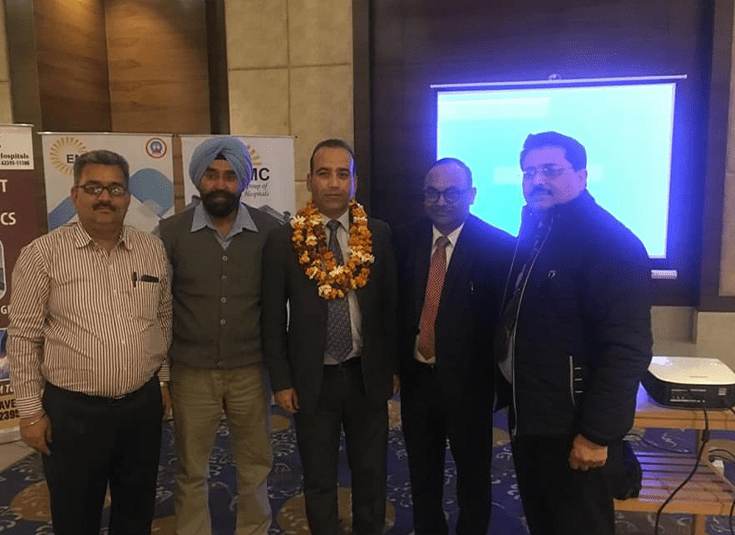
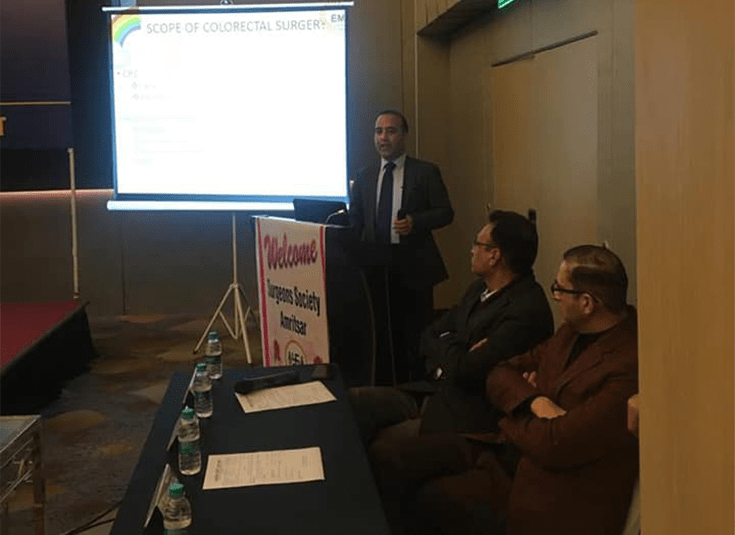
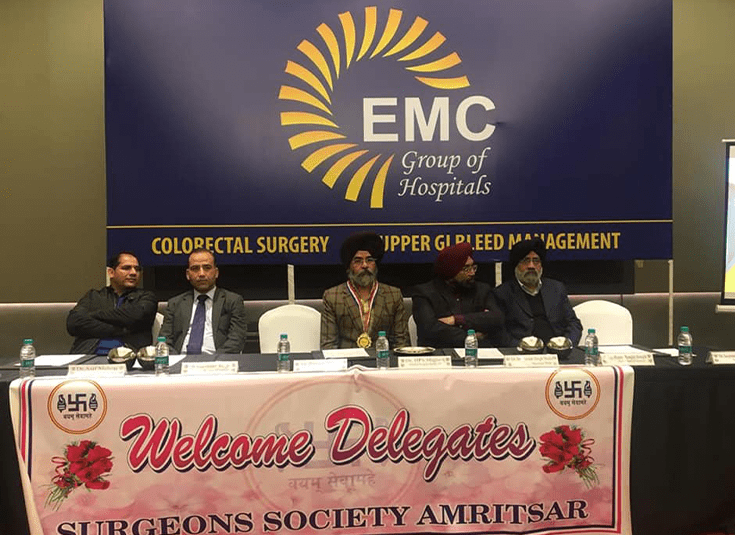
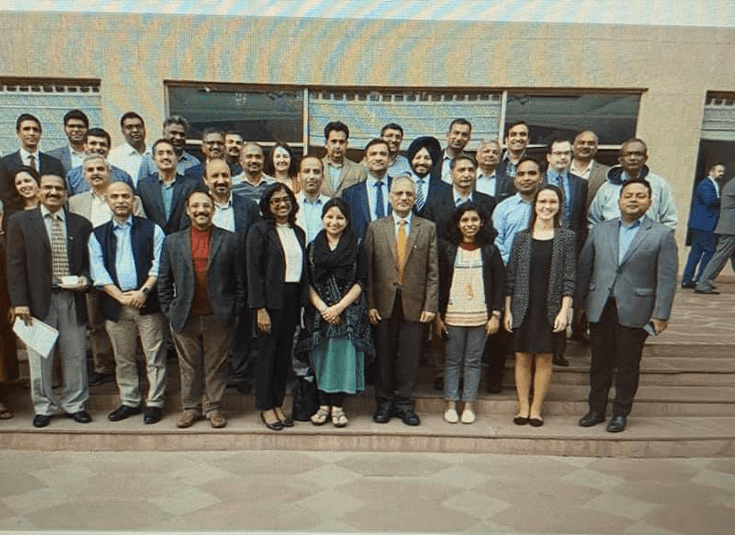
Frequently Asked Questions
Need Answers? Find them here...
What are the qualifications and experience of Dr. Asif Mehraj, a reputed colorectal surgeon in Hyderabad?
Dr. Asif Mehraj is a highly accomplished Consultant Colorectal Surgeon at Apollo Hospitals, Jubilee Hills, Hyderabad. With an MBBS and MS in General Surgery, he has pursued advanced fellowships, including a Postdoctoral Fellowship in Colorectal Surgery from SKIMS, and received international training in laparoscopic colorectal surgery from the UK and China. He brings over 15 years of surgical expertise, recognized as a Fellow of the Association of Colon and Rectal Surgeons of India (FACRSI).
What contributions has Dr. Asif Mehraj made to digital health and research in colorectal surgery?
Dr. Asif Mehraj is a Certified Doctor Innovator with TAMP Digital Surgery, USA, where he contributes to advancements in digital health. He has held key teaching and leadership roles and is involved in over 50 high-impact peer-reviewed publications, including work in The Lancet and British Journal of Surgery. His research focuses on complex colorectal cancer, fistula management, and laparoscopic procedures, playing a major role in both national and international surgical collaborations.
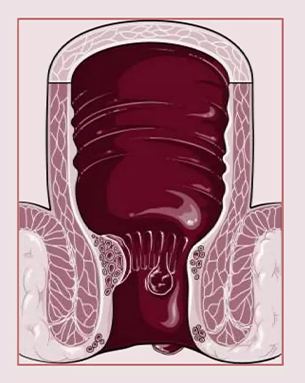
What are Fistula in Ano, and how are they treated by a colorectal surgeon?
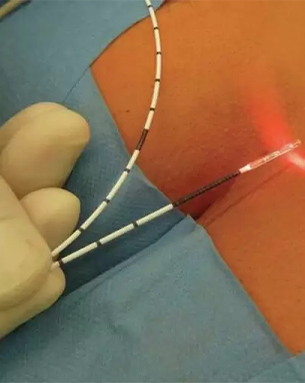
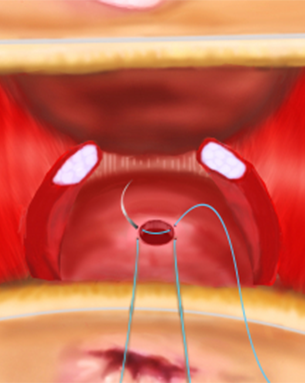
Fistula in Ano are abnormal connections between the anal canal and the skin near the anus. They can cause discomfort and recurrent infections. Colorectal surgeons treat these using various techniques like fistulotomy or advancement flap repair. Depending on the complexity and location, minimally invasive procedures like laser surgery and laparoscopic surgery can also be employed to ensure quicker recovery and reduced post-operative pain.
How can laparoscopic surgery help with Piles, and what are its benefits?
Piles, also known as hemorrhoids, are swollen veins in the rectum or anus causing pain and bleeding. Laparoscopic surgery provides a minimally invasive approach to treat severe cases by resecting or stapling the hemorrhoidal tissue. Benefits of laparoscopic surgery include less post-operative pain, shorter hospital stays, quicker recovery, and reduced risk of complications like fecal incontinence compared to traditional open surgery.
What surgical options are available for treating Fissures?
Anal fissures are small tears in the lining of the anus causing pain and bleeding. Treatments by colorectal surgeons include lateral internal sphincterotomy, which involves cutting a small portion of the anal sphincter muscle to reduce spasm and promote healing. Laser surgery is also an emerging technique offering precision and minimal discomfort. Prompt treatment can prevent chronic problems like persistent pain and further complications.
Can Pilonidal Sinus be effectively treated with laser surgery?
Yes, Pilonidal Sinus, a painful condition with cysts near the tailbone, can be effectively treated using laser surgery. This minimally invasive technique targets the affected area with precision, helping in faster healing and reducing recurrence rates. Benefits of laser surgery include less pain, minimal scarring, and quicker recovery compared to traditional surgical methods. It is important to consult a colorectal surgeon to determine the best treatment plan.
What are the surgical treatments for Constipation and Rectal Prolapse?
For chronic constipation and rectal prolapse, surgical options include laparoscopic rectopexy and resection. These procedures aim to restore the normal function and position of the rectum. Laparoscopic surgery offers benefits over open surgery, such as smaller incisions, less postoperative pain, and quicker recovery. It's crucial to discuss symptoms and options with a colorectal surgeon, as prompt intervention can improve outcomes and quality of life.
How do colorectal surgeons manage Fecal Incontinence and perform Sphincter Repair?
Fecal incontinence, the inability to control bowel movements, can significantly impact quality of life. Surgical options include sphincteroplasty, which repairs and strengthens damaged anal sphincter muscles. Colorectal surgeons may also employ sacral nerve stimulation or minimally invasive laparoscopic procedures. Early consultation is vital to determine the best course of action and improve function and patient comfort.
What is a Rectovaginal Fistula and how is it surgically addressed?
A Rectovaginal Fistula is an abnormal connection between the rectum and vagina, causing distress and potential health issues. Surgical intervention often involves a colorectal surgeon performing a fistula repair, which could include techniques like transvaginal or transanal approaches. In some cases, advanced procedures like laparoscopic or robotic surgery are used for better precision and recovery. Early detection and surgical intervention are key to successful treatment.
When is surgery necessary for Colorectal Cancer?
Surgery is often a primary treatment option for colorectal cancer, especially in localized stages. A colorectal surgeon may perform a colectomy, removing part or all of the colon, sometimes utilizing laparoscopic techniques for less invasive procedures. Surgery aims to completely excise the tumor, often accompanied by chemotherapy or radiation. Early diagnosis and surgical intervention significantly enhance prognosis and survival rates for colorectal cancer patients.
How is Appendix Surgery related to colorectal procedures?
Appendix surgery, or appendectomy, is the removal of an inflamed appendix, often performed using laparoscopic techniques. While it's a common procedure sometimes done by general surgeons, colorectal surgeons are skilled in managing complex cases involving the appendix, especially where there is suspicion of related complications like appendiceal cancer or perforation. Laparoscopic appendectomy offers advantages of reduced recovery time and minimal scarring.
What are the benefits of laparoscopic procedures in Gallstone Surgeries?
Laparoscopic surgery is the gold standard for removing the gallbladder, known as cholecystectomy, especially for symptomatic gallstones. This minimally invasive procedure is preferred due to its benefits, including smaller incisions, reduced pain, quicker recovery, and shorter hospital stays compared to open surgery. In some emergency cases, such as acute cholecystitis, timely surgical intervention is crucial to prevent complications. Consulting a skilled colorectal surgeon ensures optimal patient care and outcomes.
Location & Location Map



Working Hours
MONDAYClosed
TUESDAYClosed
WEDNESDAYClosed
THURSDAYClosed
FRIDAYClosed
SATURDAYClosed
Contact Us
What We Offer
Contact Us
- Email: asifdr80@yahoo.co.in
- Phone: 9622457533
Social Media connect:


Website Powered by icareheal