

Piles (Haemorrhoids)
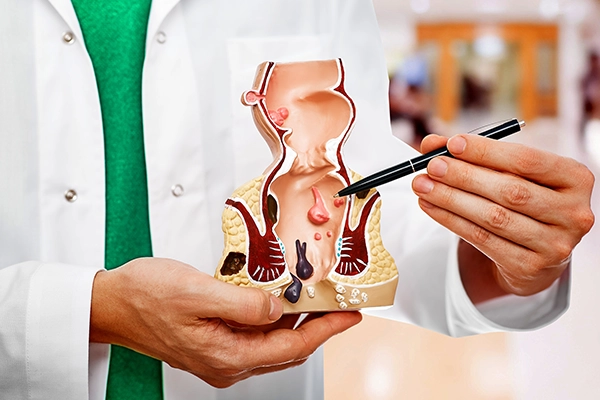
Piles, also called haemorrhoids, are swollen blood vessels in and around the anus that can cause bleeding, discomfort and a lump. They are common and usually treatable, from conservative management through to the Rafaelo procedure.
Anal Fistula
An anal fistula is an abnormal tunnel that forms between the inside of the anal canal and the skin near the anus, usually following an infection or abscess. It rarely heals on its own and generally needs treatment.
Signs Worth Getting Checked
- Persistent discharge or pus near the anus
- Recurring swelling or an abscess in the same area
- Pain that worsens when sitting
- Skin irritation around the anus that does not resolve
Anal fistulas can recur when the original tract is not fully identified or treated, or when the case is more complex than initially recognised. Experienced, specialised management significantly reduces the chance of recurrence, which is why Dr. Mehraj gives particular attention to fistula cases that have not resolved elsewhere.
Anal Fissure
An anal fissure is a small tear in the lining of the anus, often caused by passing hard stool, that can cause sharp pain and light bleeding during and after a bowel movement. Many fissures heal with dietary changes and topical treatment, though persistent cases may need a procedure.
Pilonidal Sinus
A pilonidal sinus is a small pit or tunnel that develops in the skin near the tailbone, sometimes becoming infected and forming an abscess. Treatment ranges from drainage of an acute infection to surgical removal of the sinus tract for recurrent cases.
Rectal Prolapse
Rectal prolapse occurs when part of the rectum slips down and protrudes through the anus, most often in older adults or after childbirth. Treatment depends on the extent of the prolapse and can range from pelvic floor therapy to surgical repair, including laparoscopic options for suitable cases.
Frequently Asked Questions
Piles are swollen blood vessels around the anus, while a fistula is an abnormal tunnel connecting the anal canal to the skin, usually following an infection. They can cause similar discomfort but need different treatment approaches.
Recurrence usually happens when the original tract was not fully identified or treated, or when the case was more complex than first recognised. Experienced, specialised management significantly reduces this risk.
Many fissures heal with dietary changes, adequate hydration and topical treatment. Surgery is generally considered only for fissures that do not respond to conservative measures.
Surgery is generally considered when the prolapse is significant, recurrent or affecting quality of life. Milder cases may first be managed with pelvic floor therapy.
Book a Consultation for an Anorectal Condition
If you notice any of the symptoms above, Dr. Asif Mehraj can assess your condition and recommend the right course of treatment.
Book a Consultation